LNP Development Services
Navigating the Hurdles: Challenges and Solutions in Lipid Nanoparticle Formulation Development
Lipid nanoparticles (LNPs) have revolutionized the modern biopharmaceutical landscape, serving as the critical delivery vehicle for breakthrough mRNA vaccines and advanced genetic medicines. By encapsulating fragile nucleic acids within a protective lipid shell, LNPs enable safe transit through the human body to target cells. However, translating these complex formulations from a benchtop concept to a globally distributed therapeutic is an extraordinarily difficult engineering and biochemical feat.
The Complexity of LNP Architecture
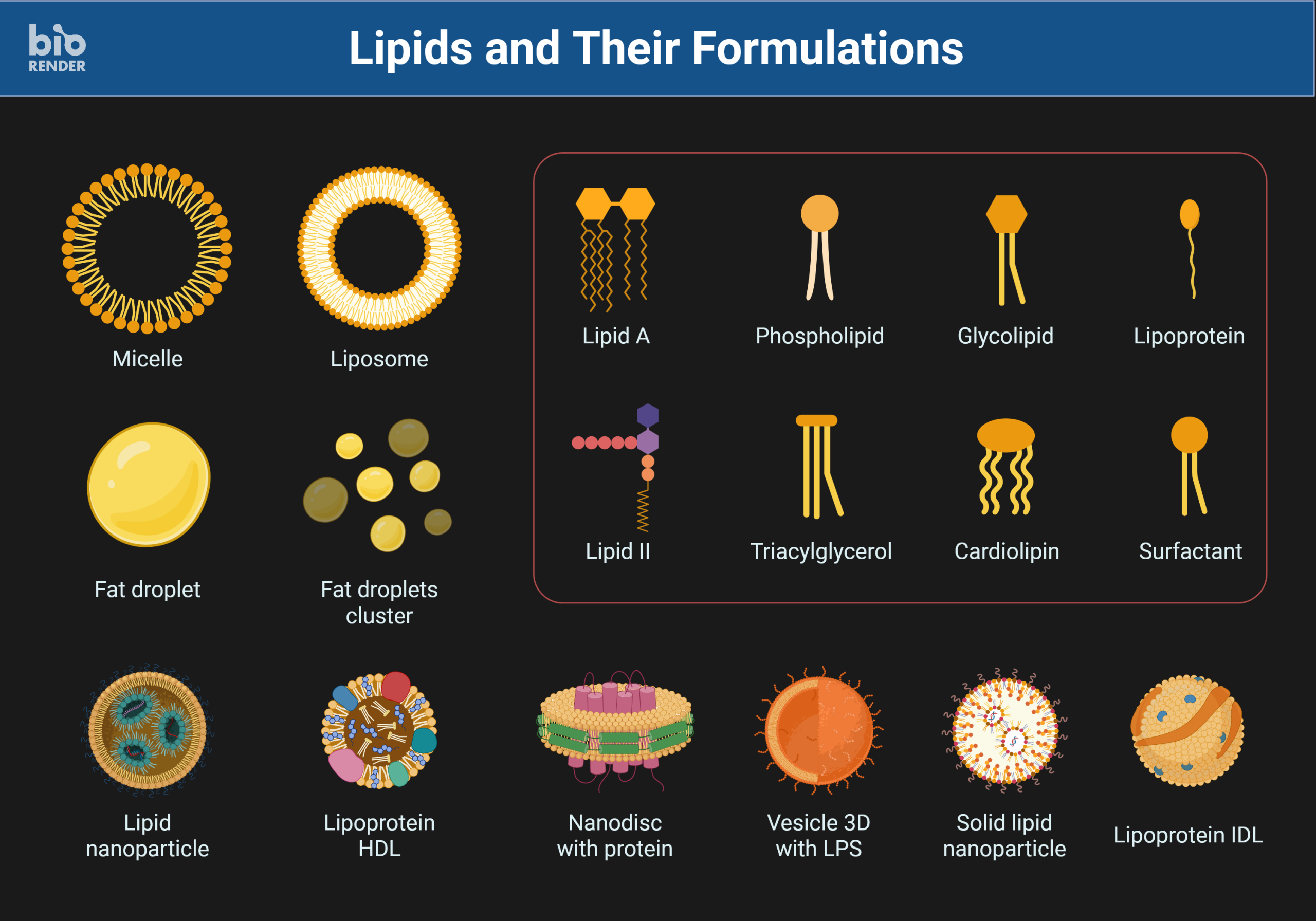
At first glance, an LNP might seem like a simple mixture of fats and genetic material. In reality, they are thermodynamically sensitive multicomponent systems typically composed of four primary ingredients: ionizable lipids, helper lipids, cholesterol, and polyethylene glycol (PEG)-lipids.The balance among these components dictates everything from encapsulation efficiency to cellular uptake. Even minor variations in mixing speeds, temperature, pH, or lipid ratios can drastically alter the final nanoparticle’s structure, leading to batch-to-batch inconsistencies. Because nucleic acids are highly susceptible to degradation, formulating a stable carrier that releases its payload precisely where needed requires meticulous optimization.
The Scale-Up Bottleneck in LNP Manufacturing
One of the steepest hurdles in LNP development is transitioning from small-scale laboratory discovery (where batches are measured in milliliters) to commercial manufacturing (where millions of doses must be produced rapidly).In a lab setting, researchers often rely on microfluidic devices that offer exquisite control over fluid dynamics, yielding uniform, narrow particle size distributions. However, simply increasing the volume of these delicate lab setups does not work. Scaling up often disrupts the precise kinetics of rapid mixing, which can result in larger particles, high polydispersity, and reduced encapsulation efficiency. Maintaining strict current Good Manufacturing Practice (cGMP) standards while scaling up sterile filtration, purification, and concentration processes presents another massive industrial barrier.
Assessing LNP Safety and Toxicity
Beyond manufacturing constraints, ensuring the safety and biocompatibility of LNPs remains a complex regulatory and scientific puzzle.While ionizable lipids are engineered to carry a neutral charge at physiological pH (reducing toxicity) and become positively charged in acidic endosomes to facilitate cell entry, they can still trigger adverse immune responses. Pre-clinical and clinical assessments must closely monitor for acute inflammatory responses, complement activation, and hepatotoxicity. Furthermore, the inclusion of PEG-lipids to improve colloidal stability has been linked in some cases to hypersensitivity reactions and the generation of anti-PEG antibodies, necessitating careful safety profiling during pre-clinical evaluation.
Innovative Solutions: Bridging the Gap
Fortunately, the pharmaceutical industry and academic researchers are actively deploying advanced engineering and digital solutions to overcome these formidable barriers:Advanced Mixing Technologies: Transitioning from traditional methods to scalable microfluidics with parallelized channel architectures or high-performance turbulent jet mixers allows developers to maintain consistent shear forces and mixing speeds from R&D to full production scale.Closed, Single-Use Processing Systems: To streamline sterile operations and eliminate cross-contamination risks, automated closed systems utilizing single-use technologies have become standard in modern LNP manufacturing lines.High-Throughput Screening and Process Analytical Technology (PAT): Utilizing automated screening combined with real-time monitoring allows developers to predict formulation stability early, ensuring tight control over critical quality attributes like particle size and polydispersity.
Where Our Expertise Matters
We help clients navigate the development pathway with phase appropriate development steps. Our emphasis is on cost-effective Proof-of-Concept demonstration while preserving flexibility to scale rapidly on lead selection.
Key Services:
Formulation Strategy:
Selecting ionizable lipids, helper lipids, cholesterol, and PEG-lipid ratios tailored to specific payloads and tissue targets.
Process Development & Optimization:
Designing small-scale lab preparation, microfluidic assembly, and tangential flow filtration (TFF) workflows.
Analytical Testing & Characterization:
Assessing encapsulation efficiency, particle size distribution, zeta potential, and in vitro/in vivo performance.
Scale-Up & CDMO Tech Transfer:
Transitioning lab processes to pilot-scale and cGMP-compliant manufacturing facilities.
CMC & Regulatory Support:
Authoring Chemistry, Manufacturing, and Controls (CMC) sections for IND (Investigational New Drug) filings, batch records, standard operating procedures (SOPs), and quality risk assessment